April 2026 Newsletter
Updated: Sep 10
Eyeing Out Your Next Travel Experience

Greetings!
Some of you might be receiving this because you were registered for our combined True Wild safaris and conservation newsletter. Going forward, True Wild has transitioned into two separate entities - our nonprofit True Wild Conservation and True Wild Safaris - our True Wild Safaris newsletter will focus on our safari activities in Africa as well as some of the fascinating and important conservation work we are either supporting or following around the world.
Please feel free to Unsubscribe to this newsletter if you do not want to receive further communications from True Wild Safaris. You will still be on the mailing list for news on the mountain lion project through True Wild Conservation.
Perhaps this is the time for you to visit a safe, remote and wonderfully wild destination to connect with nature and disconnect from everything but the Bush News. Let us know and we will work with you to set up an amazing safari experience that suits your interests and style. Also know that while we are creating these opportunities for people to visit these incredible wilderness areas, we are also doing our part to protect them…
Mountain Lions to African Lions
While we are working to conserve mountain lions here in California, Communities Living Among Wildlife Sustainably (CLAWS), which is based in Botswana, are making efforts to protect and conserve African lions through supporting community coexistence with these iconic apex predators. True Wild Safaris are proud to support this important work in Botswana.

While people living in San Francisco’s North Bay live in a very different community arrangement and have vastly different daily lives to those in small villages in Botswana, the underlying wildlife-conflict issues are actually very similar. Where livestock are kept unprotected, they are vulnerable to predation which often results in conflict and retaliation. Along with habitat loss, many people think trophy hunting is the biggest threat to lions in many of these areas, however, lion mortality due to livestock conflict far surpasses the trophy hunting threat. For Africa’s threatened lion population to survive, solutions need to be found.
In Botswana over the last generation, there has been a shift away from herding cattle, to allowing cattle to wander unattended. The reason? Young boys used to be responsible for herding cattle, but now they are attending school. Men still consider the job a lower-status boy’s work. With this cultural shift has come an increase in losses of cattle and an increase in conflict and killing of lions. The solution? CLAWS has been working with communities on several fronts. They have rebranded herding as trained ‘ecorangers’, bringing back this important form of livestock protection. They are successfully using the concept of communal herding, giving the job more status by including broad training in rangeland management to prevent overgrazing and veterinary skills and services to improve animal health.
Every night the ecorangers put the herds in mobile ‘bomas’. These bomas are made from cloth that predators can’t see through. While the lions may circle the boma, researchers have found that they are not willing to jump over because they cannot see in so won’t risk it. We are promoting this method for mountain lions here as well and have some preliminary evidence that it works well for mountain lions as well. As an additional incentive, CLAWS are certifying these communal herds as wildlife friendly beef and Wilderness Safaris, a premier safari company that we often use for our safaris, has started buying their beef from these local farmers. CLAWS has seen great success with their model - focusing on real solutions and improving livelihoods for local communities which leads to better coexistence with lions. The lion population in the area has stabilized. One interesting change has been a much higher survival rate of lion cubs. Previously when male lions were more frequently killed, it upset the social system. As with mountain lions, when new males took over a territory they sought out and killed any offspring of the previous males in order to father cubs themselves.
Whether you are in the wilds of Botswana or the middle of the North Bay, some creativity and commitment can go a long way to promoting co-existence with our wild neighbors.

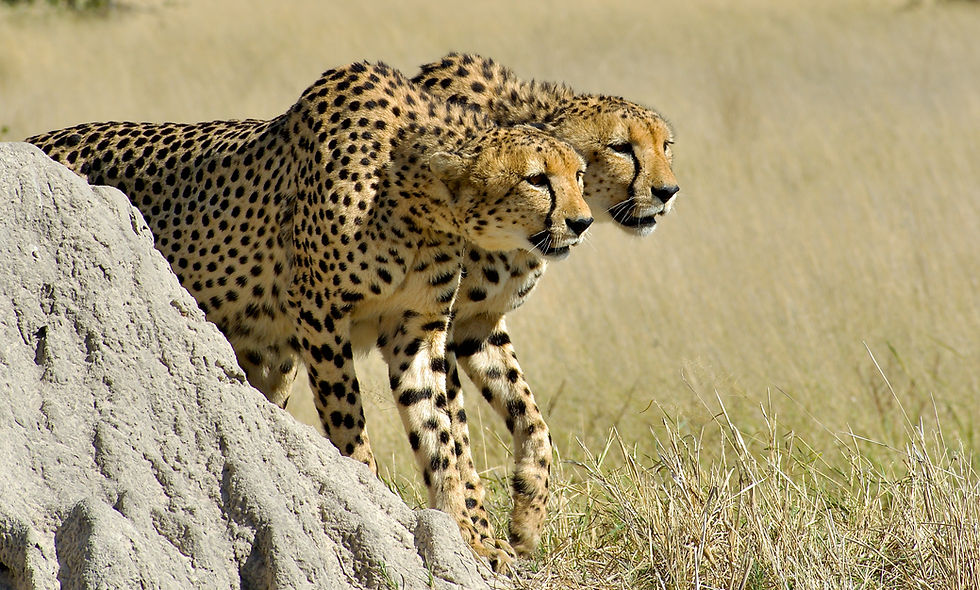
One cool cat (Photo: Quinton Martins)
Parting Note:
Safaris are a wonderful way for families to connect with each other. Children (preferably over the age of 8yrs) love being in nature, and many of the safari camps we use are able to enhance the safari experience for children. Being out in the wild opens the eyes of the younger generation to the world around them. Below is a photograph taken by our daughter Ayla Martins (aged 10 at the time), after patiently watching and waiting for an opportunity to photograph this elephant shrew drinking.
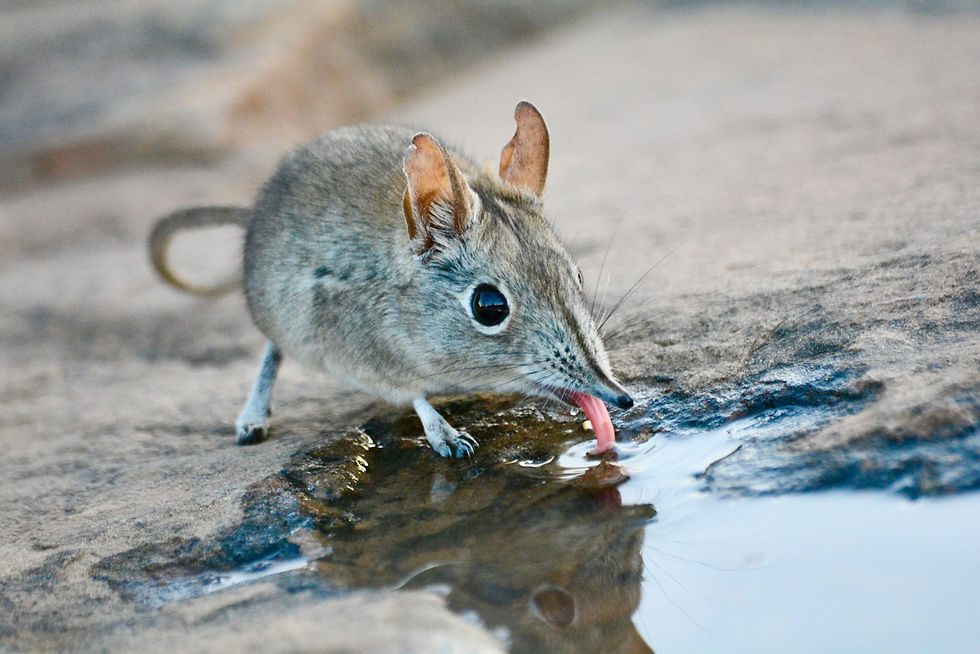
Elephant shrew drinking.
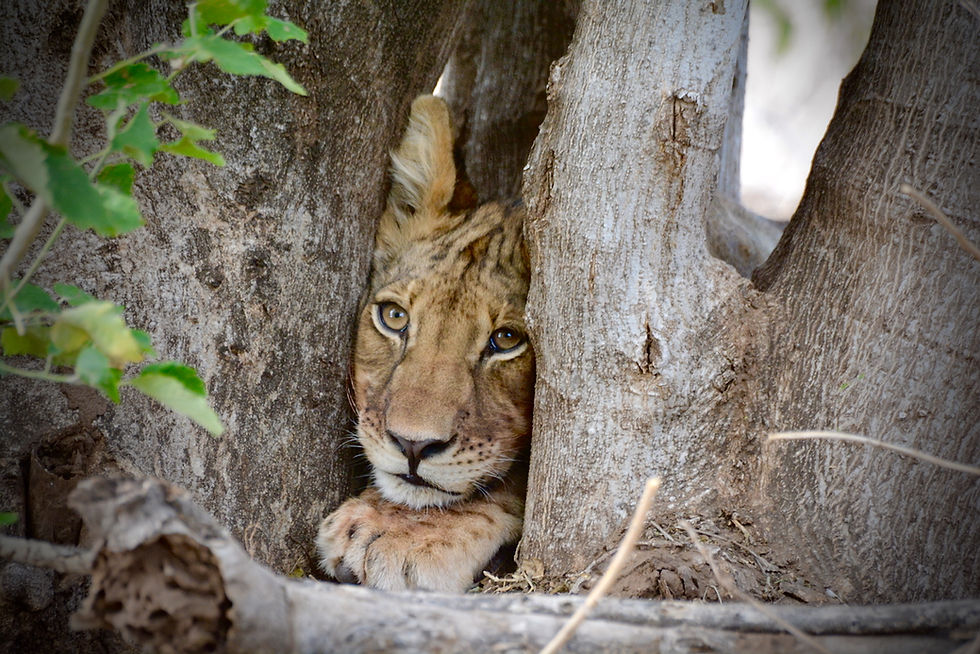
Ayla’s favorite - a curious lion cub!